The “Soak and Seal” Method (Simple + Effective)
Step-by-step
- Short lukewarm shower (5–10 minutes).
- Pat skin damp (don’t rub).
- Apply moisturizer within 3 minutes while skin is still slightly damp.
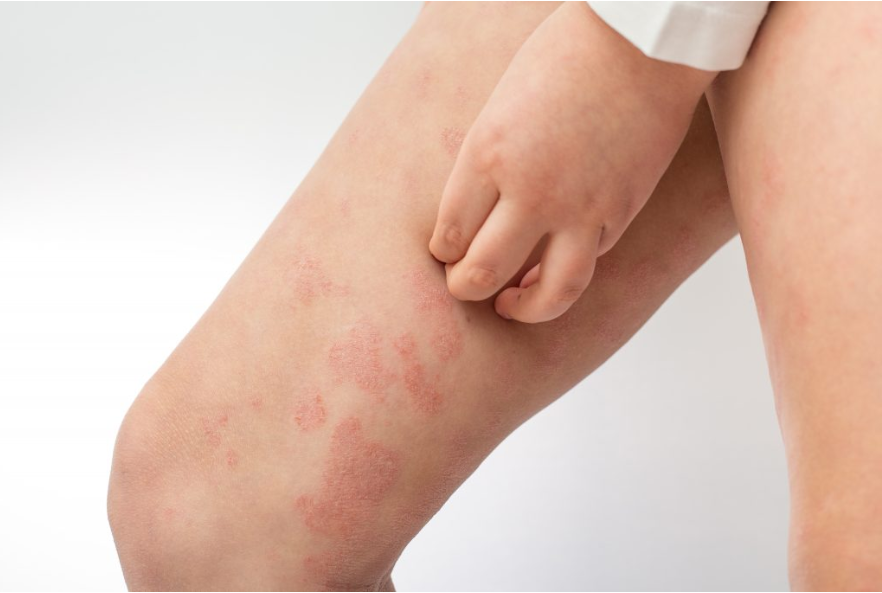
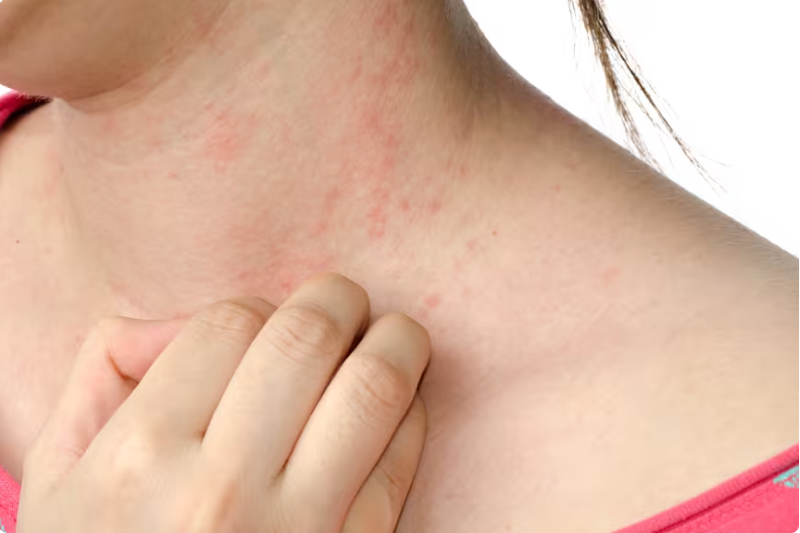
- Target trouble spots twice daily (hands, elbows, the backs of the knees, and the neck).
Layering for Extra Dryness
- Cream/Balm first, then a thin layer of petrolatum ointment on the worst patches at night (if tolerated).
- If you use prescription topicals, apply them as directed (often before moisturizer, but follow your clinician’s instructions).
How to Use Your Smart Devices to Improve Consistency?
Turn skincare into a measurable habit
Smart reminders that actually work
- Set a daily “moisturize” reminder after shower time.
- Use your smartwatch’s habit tracking to mark the AM/PM application.
Track common eczema triggers
- Sleep + itch: log nights with itching and compare to stress/sleep duration.
- Workout sweat: note whether flares correlate with long delays before showering.
- Indoor humidity: If you have a smart hygrometer, aim for a comfortable level (many people find very dry air aggravating).

What Eczema-Prone Skin Needs? (and What It Usually Hates)
The “Barrier First” Rule
- Seal in water (occlusives like petrolatum, dimethicone)
- Pull water into the skin (humectants like glycerin, hyaluronic acid)
- Rebuild the lipid barrier (ceramides and other skin-identical lipids)
Common Triggers to Avoid (Most of the Time)
- Heavy fragrance / essential oils
- Harsh foaming cleansers (especially after sweating)
- Hot showers (heat + water loss can worsen itch)
- “Active stacking” (retinoids/acids + eczema flare = misery)
The Top 3 Beauty Moisturizers for Eczema-Prone Skin
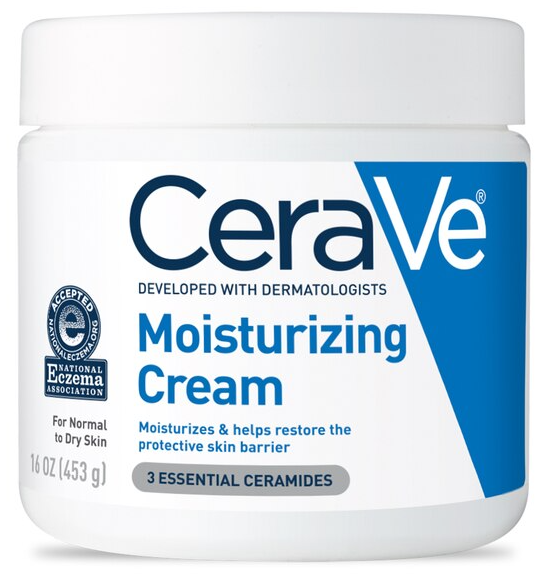
1) Ceramide-Rich Moisturizing Cream (CeraVe Moisturizing Cream)
Key benefits
- Barrier support: ceramides help reinforce the skin’s natural lipid barrier. Amazon
- Long-lasting comfort: designed to hydrate without feeling greasy (for many users) CeraVe
- Great for routine consistency: easy to use morning/night on both face and body
Benefits
- Helps reduce the “tight, thirsty” feeling after cleansing
- Supports smoother texture over time (less flaking)
- Works well under sunscreen or makeup (patch test first)
Pros
- Fragrance-free options and eczema-friendly positioning CeraVe
- Big tub = cost-effective for full-body moisturizing
- Simple routine-friendly (no complicated steps)
Cons
- Some people find it heavy on the face in hot/humid climates.
- If you’re very acne-prone, you may prefer a lighter lotion texture.
Best for
Conclusion
CeraVe Moisturizing Cream stands out as a dependable, science-backed solution for individuals with eczema-prone and sensitive skin who need consistent, long-lasting hydration. Cera Ve contains a ceramide-rich formula that supports, restores, and maintains your skin’s natural barrier, which is essential for reducing moisture loss and minimizing irritation. Cera Ve’s formulation of hydrating ingredients, such as hyaluronic acid, creates smoother, more comfortable skin without clogging pores or leaving a greasy residue. Suitable for both face and body, this cream fits easily into daily skincare routines and works well year-round, particularly during colder months when dryness is more severe. Its fragrance-free, non-irritating formulation makes it a trusted option for families and individuals seeking gentle yet effective skincare. Overall, CeraVe Moisturizing Cream delivers reliable barrier support, improved skin comfort, and lasting moisture, making it a practical and affordable choice for managing dryness and supporting healthier-looking skin over time.
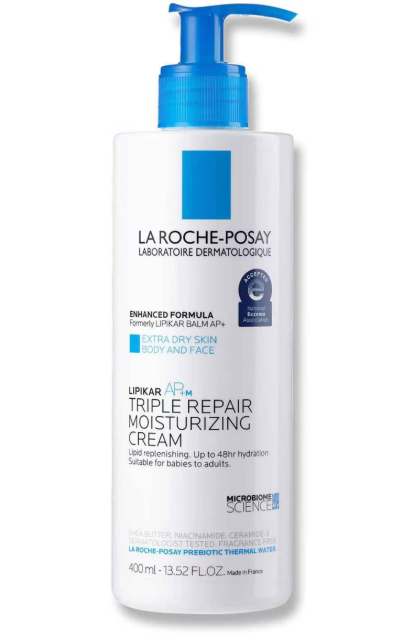
2) La Roche-Posay Lipikar AP+ Triple
Key benefits
- Deep comfort for dehydrated/itch-prone skin: rich balm texture helps reduce roughness. La Roche-Posay
- Niacinamide support: niacinamide-containing emollients have evidence for improving AD symptoms and barrier function, PMC
- Family-friendly positioning: often marketed for multiple ages (always follow label + pediatric guidance)
Benefits
- Helps reduce “sandpaper” patches on arms/legs
- Useful during seasonal transitions (fall/winter)
- Supports a more resilient feel between flares
Pros
- Rich, cushiony feel—great for overnight moisture
- Ingredient mix aligns with barrier-repair goals La Roche-Posay+1.
- Brand lists clinical study information for the L’Oréal Dermatological Beauty line.
Cons
- Texture can feel too heavy for oily areas.
- Pricier than many drugstore options
Best for
Conclusion
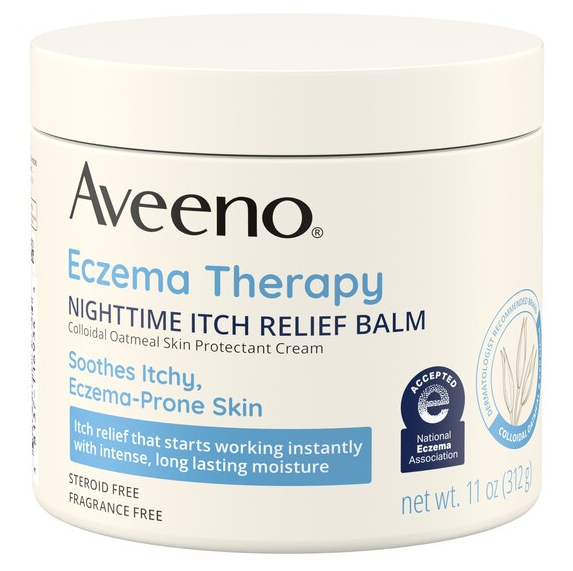
3) Colloidal Oatmeal Eczema Cream (Aveeno Eczema Therapy)
Key benefits
- Soothing support: clinical evidence shows a 1% colloidal oat eczema cream improved eczema severity scores over a short treatment window, PubMed
- Comfort for itch-prone days: oatmeal formulas are often favored when skin feels “angry.”
- Everyday friendly: easy to keep in a gym bag or desk drawer
Benefits
- Calms the “stingy, itchy” feeling on sensitive patches
- Supports moisture retention and barrier comfort
- Helpful after workouts or showers when skin feels tight
Pros
- Colloidal oatmeal has clinical support in AD contexts, PubMed
- NEA Seal noted on product pages Aveeno+1
- Great for spot-moisturizing trouble areas
Cons
- Some users prefer a richer cream for full-body winter dryness.
- If you’re sensitive to certain botanical extracts, patch test first
Best for
Itchy patches, post-shower tightness, and “calm the flare vibes” maintenance days.
Conclusion
FAQ: Eczema-Prone Skin (5 Popular Questions)
1) How often should I moisturize if I have eczema?
2) Should I choose a lotion, cream, or balm?
- Lotion: light, suitable for daytime or humid climates
- Cream: balanced, great daily option
- Balm/ointment: richest, best for dehydrated patches and nighttime
3) Can moisturizers actually reduce eczema symptoms?
4) Is colloidal oatmeal “scientific,” or just a trend?
5) When should I see a dermatologist?
Pick One, Use It Like a Pro
- A fragrance-free, barrier-supporting moisturizer, and
- A simple routine you can repeat every day—especially after bathing.
Final Conclusion: Choosing the Right Cream for Eczema-Prone Skin
References
- Capone, K., Kirchner, F., Klein, S. L., Tierney, N. K., & Draelos, Z. D. (2020). Effects of colloidal oatmeal topical atopic dermatitis cream in pediatric and adult populations. Journal of Drugs in Dermatology. PubMed
- Chu, D. K., et al. (2024). Atopic dermatitis (eczema) guidelines. Annals of Allergy, Asthma & Immunology. Ann Allergy
- Eichenfield, L. F., Tom, W. L., Chamlin, S. L., Feldman, S. R., Hanifin, J. M., Simpson, E. L., … Sidbury, R. (2014). Guidelines of care for the management of atopic dermatitis: Part 2. Management and treatment of atopic dermatitis with topical therapies. Journal of the American Academy of Dermatology. JAAD
- Hon, K. L., Leung, A. K. C., Barankin, B., & Leung, A. A. M. (2018). Emollient treatment of atopic dermatitis: Latest evidence and clinical considerations. Clinical, Cosmetic and Investigational Dermatology. PMC
- Zhu, J. R., et al. (2023). A single-center, randomized, controlled study on the efficacy of niacinamide-containing body emollients in mild atopic dermatitis. Skin Research and Technology. PMC
-
(2023). Treatment with delgocitinib cream improves itch, pain and other signs and symptoms of chronic hand eczema: Results from the Hand Eczema Symptom Diary in a phase IIb randomized clinical trial. Journal of the American Academy of Dermatology 88(4), pp. 849-856. https://doi.org/10.1016/j.jaad.2023.01.019
DISCLAIMER: This scientific research is for informational purposes only. The results reported may not necessarily occur in all individuals. Primal Harvest provides this information as a service but does not endorse it. This information should not be read to recommend or endorse any specific products.